
Jefferson County Multi-Day Arrest Log
Louisville Metro Department of Corrections has long offered a "Booking Log" on its public XJail portal. It also offers a date-range search there. That remains the closest thing to an official county booking blotter. It covers adult intake at LMDC. LMPD, JCSO, a municipal department, or another authority could all be behind a given row. So it is not a daily report from a single police agency. The portal leans toward current custody. It can change at any time. A date-range result may be corrected, shortened, or pulled after release. Its date picker does not prove how far back records go. Use the stable LMDC Inmate Search page to reach the current operational link. Describe only the controls you actually see. The JCSO, Jeffersontown Police, and St. Matthews Police sites list no separate countywide blotter. Those departments may keep reports for arrests they made. But LMDC is the adult booking custodian. That split explains why a police report and a jail row can carry different timestamps. It also explains why one record is available while the other is not. Treat the blotter window as a jail intake view, never a combined police-agency archive.
Read Jefferson County Booking Dates
A good blotter check works backward from a set period. Write down both the range you requested and the time you searched. Eastern Time matters near midnight. A Monday morning query can catch a late weekend intake. An earlier same-day view may have missed it entirely.
- Enter through the official LMDC page and open the current public inmate portal.
- Choose “Booking Log,” booking-from and booking-to fields, or the comparable date controls currently offered.
- Set a narrow range and note the dates, Eastern Time, result count, and exact portal address.
- Compare arrest, booking, and release timestamps if the interface supplies all three.
- Preserve booking numbers, then verify police details with the named arresting agency and case results with the court clerk.
The date on a jail row usually tells you when LMDC recorded the intake. It does not tell you when an officer took the person into custody. Warrant returns, probation violations, court remands, and failure-to-appear matters can all create a booking. None of them needs a new street arrest. A citation or summons works the other way. It can leave a police record with no current LMDC entry at all. Once you have the range, separate the raw source facts from your own reading. Record the portal address and the exact field labels on the screen. If an entry still matters after it leaves the display, use its booking number. Put it in a focused LMDC request. Ask the arresting department for the event narrative. Ask the court clerk for the disposition, which is the formal case result. That keeps the chain between records intact.
Jefferson County Arrest Log Fields
Older descriptions of the LMDC portal document name and inmate-number search, booking ranges, charges, bond, court data, dates, and photographs. No field is guaranteed on the live site. Read whatever column appears on its own terms.
| Entry field | Meaning and limit |
|---|---|
| Name | The jail identity label; confirm common names with a booking number. |
| Booking number | The LMDC identifier that should follow later requests and comparisons. |
| Booking date/time | The intake timestamp, which can differ from the arrest time. |
| Arresting agency | The likely custodian of the police narrative, not the jail record. |
| Charges | Charges entered at booking, subject to amendment or dismissal. |
| Bond, release, court | Changing procedural fields, not the final disposition. |
| Photograph | A booking image when supplied; absence can reflect policy or record status. |
The WDRB report captured here documents the portal’s launch-era fields and current-only design.
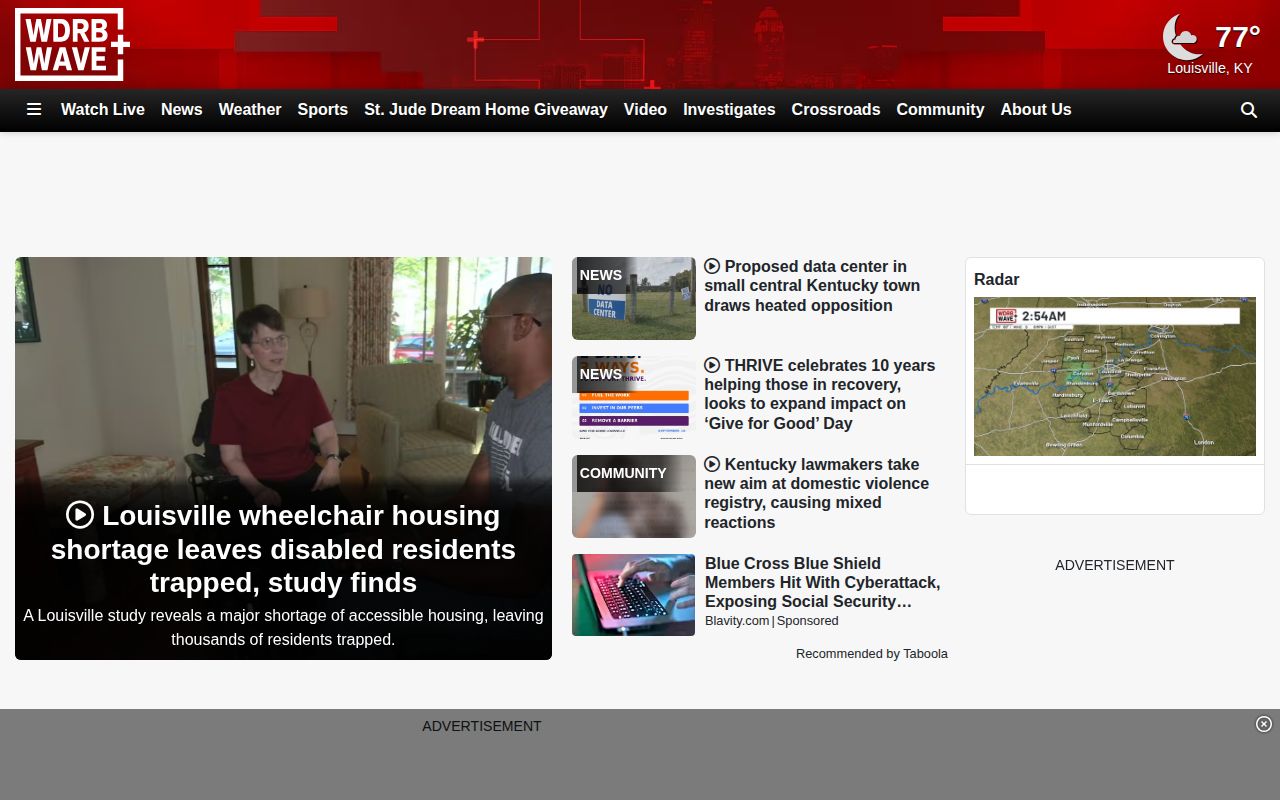
That history supports careful interpretation, but the live portal alone decides which fields appear now.
Jefferson County Weekend Booking Pattern
A multi-day query earns its keep on weekends and holidays. Events rarely line up with public posting. Transport and intake can push a late arrest into the next calendar date. A data correction can change a row after it first appears. Release can remove a person from a current-only display. Compare like periods with care. A bigger count across several weekend days does not prove a crime trend. It can reflect the length of your window. It can also reflect agency activity, warrant service, court remands, or simple processing lag. LMDC's own fact sheet names LMPD the leading arresting agency and JCSO second. Aggregate rank tells you nothing about the right custodian for each event.
For a police narrative, contact the agency named on the booking. For custody and release facts, use LMDC. For the outcome of the case, use the Jefferson County Office of Circuit Court Clerk. Each record answers a different question.
Public Blotter Versus Durable Record
A blotter row fades fast. The government file behind it can outlive that row by decades. Louisville Metro's records-retention schedule lists LMPD criminal-history jackets and indexes. These may hold arrest history, photographs, fingerprints, disposition sheets, corrections information, and transfer or parole notices. The schedule gives the criminal-history jacket and index a 50-year retention period. Access restrictions still apply.
Retention is not a public archive. It only tells the agency how long to keep a record. A file can stay closed for many reasons. Those include juvenile status, an active investigation, redaction, sealing, expungement, or another lawful exemption. So when a blotter row vanishes, do not assume destruction. Identify the record and its custodian instead.
The Kentucky Department for Libraries and Archives sets the broader records framework. Louisville Metro's schedule adds the local record series. Neither source puts every old item online. A smart request separates the record types. Think of a corrections booking sheet, an LMPD criminal-history jacket, a municipal police report, and a court file. If access is denied, ask the agency to cite its exemption. Retention and disclosure are separate decisions.
- LMDC record
- Booking, current custody, release, and jail-display questions.
- Police record
- The incident or arrest narrative held by LMPD, JCSO, or the municipal agency.
- Court record
- The filed case, later charge changes, and disposition.
- State record
- KDOC custody or supervision through KOOL after a state transfer.
Request Older Jefferson County Arrest Records
Start with the date range the official portal currently accepts. When that fails, the person has left the current display, or an older arrest record is needed, send a narrow request to the right custodian. Give the full name, approximate date, and booking number if known. Add the arresting agency, record type, and format. If the agency withholds any part, ask it to state the exemption.
Louisville Metro routes requests through its corrections form or the Metro open-records portal. Metro generally answers within five business days. More time is possible when the agency explains the delay. Request an electronic copy when that works. Ask for a cost estimate before copying begins. And skip asking for a fresh countywide historical list. One specific booking, release, photograph, or report usually answers the question.
The LMDC corrections request page covers jail records. LMPD and municipal police routes handle their own reports. The court clerk supplies the case outcome. For a fresh booking, the Arrests Last 24 Hours page is the better stop.
Note: A missing public row can mean release, transfer, correction, delay, protected status, or a search mismatch, not that no record exists.
Jefferson County News Is Selective
Local news is no full police blotter. WDRB Crime Reports, WAVE 3, WLKY, Louisville Public Media, and the Courier Journal choose stories for news value, so many Jefferson County arrests never get covered. A story can name the agency and add context. A skipped arrest can still have an official record. The WAVE 3 crime section shows this story-based approach rather than a day-by-day county list.
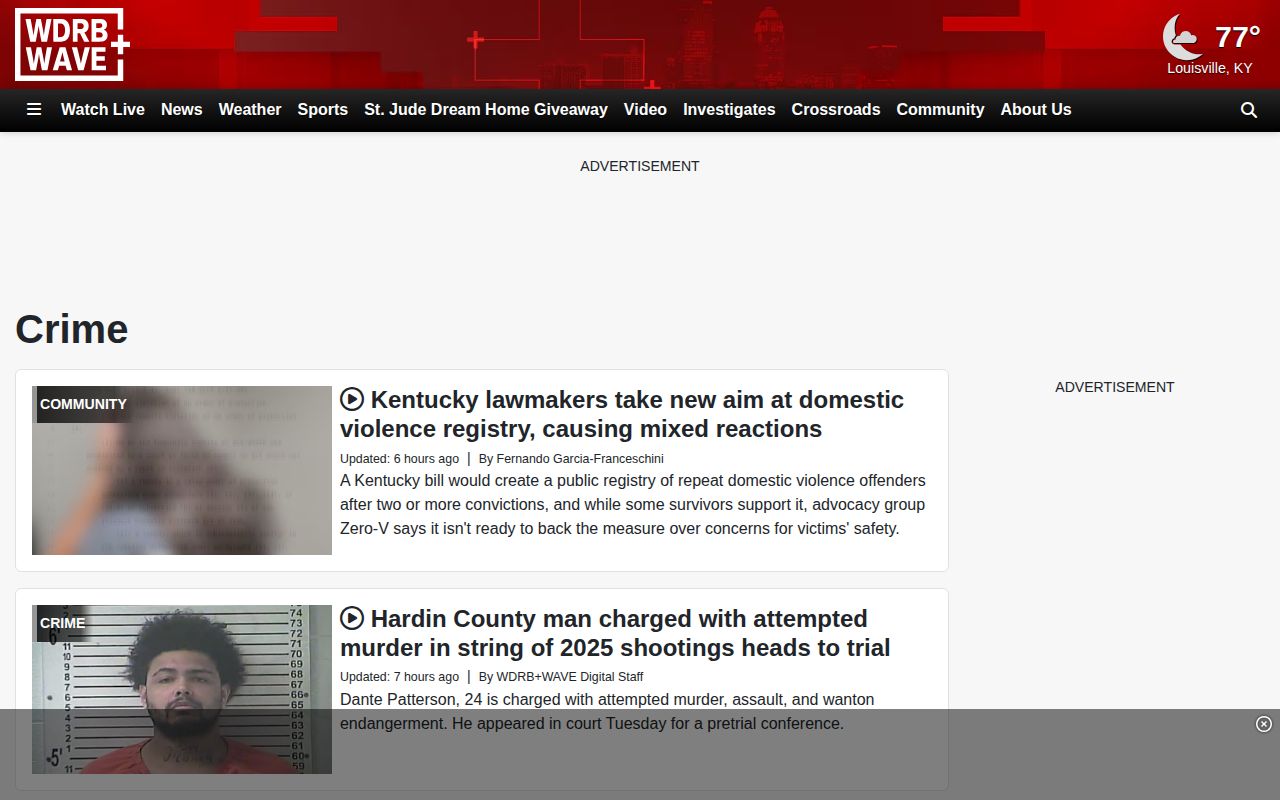
Treat any single story as context only. Verify custody with LMDC. Then pull the case result through Kentucky courts, since the third-party Jefferson County archive, though it offers month navigation, is neither official nor complete.
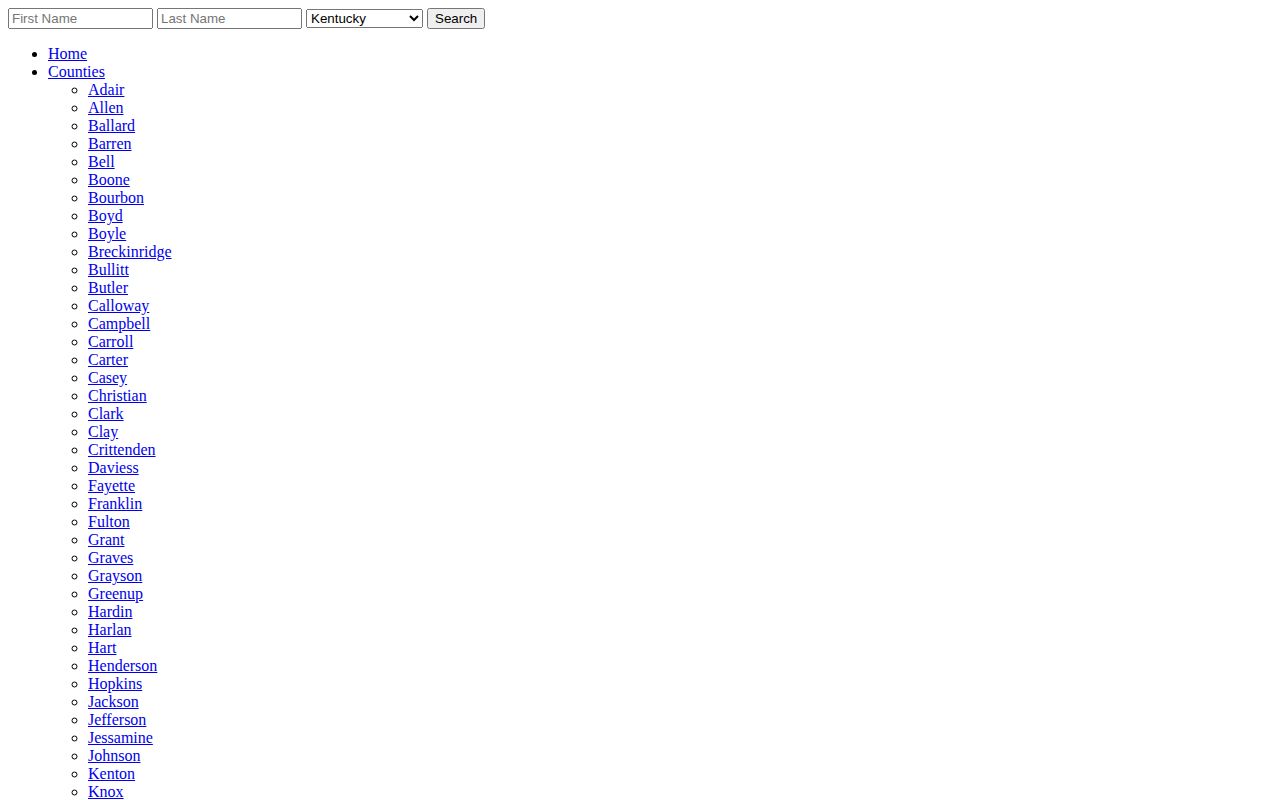
Third-party pages go stale. They can duplicate records, keep old charges, or misstate agency roles. Official sources come first. A durable log check runs on dates and custodians, not assumptions. Record the searched range. Save the LMDC number and the arresting agency. Those details power a focused police, Corrections, or court request if the live window shifts, and they help separate a corrected official entry from an older news or aggregator copy.